we define that 0
Posted: Tue Jun 07, 2022 6:57 am
we define that 0<p<q<1
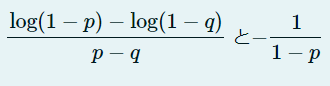
- We Define That 0 P Q 1 We Define That F X Log 1 X When 0 X 1 F X Is A Continuous Derivative And It Is Possible To 1 (3.84 KiB) Viewed 57 times
we define that f(x)=log(1−x). when 0<x<1, f(x) is a
continuous derivative, and it is possible to differentiate
it.
Therefore, it is possible to apply the "mean value theorem".
Plus, when, 0<p<q<1 we can say that there is c(p
<c <q) that can
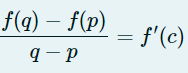
- We Define That 0 P Q 1 We Define That F X Log 1 X When 0 X 1 F X Is A Continuous Derivative And It Is Possible To 2 (3.07 KiB) Viewed 57 times
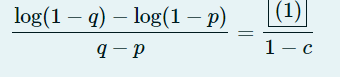
- We Define That 0 P Q 1 We Define That F X Log 1 X When 0 X 1 F X Is A Continuous Derivative And It Is Possible To 3 (3.97 KiB) Viewed 57 times
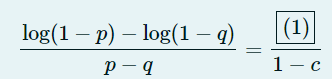
- We Define That 0 P Q 1 We Define That F X Log 1 X When 0 X 1 F X Is A Continuous Derivative And It Is Possible To 4 (4 KiB) Viewed 57 times
now, as 0<p<c<q<1 if we times both sides by
-1 it becomes,

- We Define That 0 P Q 1 We Define That F X Log 1 X When 0 X 1 F X Is A Continuous Derivative And It Is Possible To 5 (3.61 KiB) Viewed 57 times
Moreover, if we add "1" it becomes,

- We Define That 0 P Q 1 We Define That F X Log 1 X When 0 X 1 F X Is A Continuous Derivative And It Is Possible To 6 (3.92 KiB) Viewed 57 times
In this equality it is clear that
1−p≠0,1−c≠0,1−q≠0, the inverse number/ reciprocal of 1-p, 1-c,
1-q it becomes,
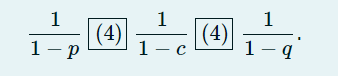
- We Define That 0 P Q 1 We Define That F X Log 1 X When 0 X 1 F X Is A Continuous Derivative And It Is Possible To 7 (2.91 KiB) Viewed 57 times
if we again, times -1 for both sides, it becomes,

- We Define That 0 P Q 1 We Define That F X Log 1 X When 0 X 1 F X Is A Continuous Derivative And It Is Possible To 8 (2.97 KiB) Viewed 57 times

- We Define That 0 P Q 1 We Define That F X Log 1 X When 0 X 1 F X Is A Continuous Derivative And It Is Possible To 9 (3.67 KiB) Viewed 57 times
For questions from 2-6 choose either d or e.
plz match question with the alphabet below.
a. 0
b. 1
c.−1
d. <
e. >
log(1 − p) – log(1 — q) P-9 と 1 1-p
ƒ(q) = f(p) 9 - P р = f'(c)
log(1 — q) – log(1 − p) 9-P | (1)| 1-c
log(1 p) - log(1 — q) P - q (1) 1-c
0 (2) p (2) − p (2) − c (2) − q (2) – 1
1 (3) 1 p (3) 1 − c (3) 1 − c (3) 1- q (3) 0. (3) 1 – q
1 1-P (4) 1 1-c (4) 1 1-q
1 1-p (5) 1 1-c (5) 1 1-q
1 1-c log(1 p) - log(1 — q) - P-9
log(1 − p) – log(1 — q) P - q (6) 1 1-p
Posted: Tue Jun 07, 2022 6:57 am
we define that 0<p<q<1
we define that f(x)=log(1−x). when 0<x<1, f(x) is a
continuous derivative, and it is possible to differentiate
it.
Therefore, it is possible to apply the "mean value theorem".
Plus, when, 0<p<q<1 we can say that there is c(p
<c <q) that can
now, as 0<p<c<q<1 if we times both sides by
-1 it becomes,
Moreover, if we add "1" it becomes,
In this equality it is clear that
1−p≠0,1−c≠0,1−q≠0, the inverse number/ reciprocal of 1-p, 1-c,
1-q it becomes,
if we again, times -1 for both sides, it becomes,
For questions from 2-6 choose either d or e.
plz match question with the alphabet below.
a. 0
b. 1
c.−1
d. <
e. >
log(1 − p) – log(1 — q) P-9 と 1 1-p
ƒ(q) = f(p) 9 - P р = f'(c)
log(1 — q) – log(1 − p) 9-P | (1)| 1-c
log(1 p) - log(1 — q) P - q (1) 1-c
0 (2) p (2) − p (2) − c (2) − q (2) – 1
1 (3) 1 p (3) 1 − c (3) 1 − c (3) 1- q (3) 0. (3) 1 – q
1 1-P (4) 1 1-c (4) 1 1-q
1 1-p (5) 1 1-c (5) 1 1-q
1 1-c log(1 p) - log(1 — q) - P-9
log(1 − p) – log(1 — q) P - q (6) 1 1-p
- We Define That 0 P Q 1 We Define That F X Log 1 X When 0 X 1 F X Is A Continuous Derivative And It Is Possible To 1 (3.84 KiB) Viewed 57 times
continuous derivative, and it is possible to differentiate
it.
Therefore, it is possible to apply the "mean value theorem".
Plus, when, 0<p<q<1 we can say that there is c(p
<c <q) that can
- We Define That 0 P Q 1 We Define That F X Log 1 X When 0 X 1 F X Is A Continuous Derivative And It Is Possible To 2 (3.07 KiB) Viewed 57 times
- We Define That 0 P Q 1 We Define That F X Log 1 X When 0 X 1 F X Is A Continuous Derivative And It Is Possible To 3 (3.97 KiB) Viewed 57 times
- We Define That 0 P Q 1 We Define That F X Log 1 X When 0 X 1 F X Is A Continuous Derivative And It Is Possible To 4 (4 KiB) Viewed 57 times
-1 it becomes,
- We Define That 0 P Q 1 We Define That F X Log 1 X When 0 X 1 F X Is A Continuous Derivative And It Is Possible To 5 (3.61 KiB) Viewed 57 times
- We Define That 0 P Q 1 We Define That F X Log 1 X When 0 X 1 F X Is A Continuous Derivative And It Is Possible To 6 (3.92 KiB) Viewed 57 times
1−p≠0,1−c≠0,1−q≠0, the inverse number/ reciprocal of 1-p, 1-c,
1-q it becomes,
- We Define That 0 P Q 1 We Define That F X Log 1 X When 0 X 1 F X Is A Continuous Derivative And It Is Possible To 7 (2.91 KiB) Viewed 57 times
- We Define That 0 P Q 1 We Define That F X Log 1 X When 0 X 1 F X Is A Continuous Derivative And It Is Possible To 8 (2.97 KiB) Viewed 57 times
- We Define That 0 P Q 1 We Define That F X Log 1 X When 0 X 1 F X Is A Continuous Derivative And It Is Possible To 9 (3.67 KiB) Viewed 57 times
plz match question with the alphabet below.
a. 0
b. 1
c.−1
d. <
e. >
log(1 − p) – log(1 — q) P-9 と 1 1-p
ƒ(q) = f(p) 9 - P р = f'(c)
log(1 — q) – log(1 − p) 9-P | (1)| 1-c
log(1 p) - log(1 — q) P - q (1) 1-c
0 (2) p (2) − p (2) − c (2) − q (2) – 1
1 (3) 1 p (3) 1 − c (3) 1 − c (3) 1- q (3) 0. (3) 1 – q
1 1-P (4) 1 1-c (4) 1 1-q
1 1-p (5) 1 1-c (5) 1 1-q
1 1-c log(1 p) - log(1 — q) - P-9
log(1 − p) – log(1 — q) P - q (6) 1 1-p